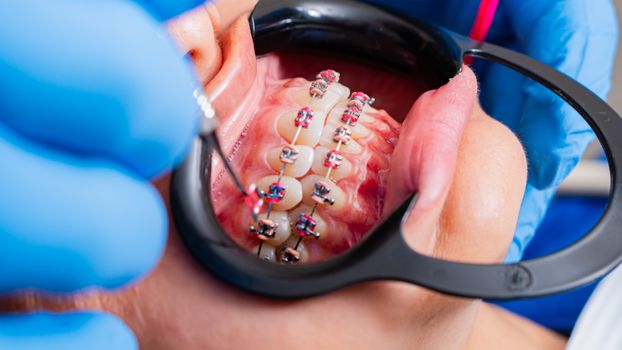
Dentists must develop strategies to counter insurer delays
US-focused piece on insurance claim delays. Relevant for practice managers dealing with payment processing.

Insurance companies are using deliberate tactics to delay prior authorizations and payments to dental practices, creating cash flow problems for providers. These strategies include giving inconsistent responses to claims, claiming not to have received documentation, and stretching out payment timelines. According to Robert Trager, DDS, dentists need to develop counterstrategies rather than accept these practices as inevitable.
How insurers delay payments and authorizations
Dental practices report that insurers employ multiple delay tactics. Common strategies include requesting the same documentation repeatedly, providing conflicting information about what materials have been received, and processing payments slowly without clear explanation. These delays compound over time, affecting practice cash flow and staff resources spent on follow-up work.
What dentists can do to protect their practices
Rather than accept these delays as standard operating procedure, Dr. Trager argues that dental practices should develop proactive systems to counter insurer tactics. This may include detailed documentation of all submissions, clear communication protocols with insurance representatives, tracking systems for claim status, and willingness to escalate issues when patterns of delay emerge. Practices that organize their administrative processes around insurer behavior can reduce the time between claim submission and payment.
Frequently asked questions
What tactics do dental insurers use to delay payment?
Insurance companies employ multiple strategies including giving inconsistent claim responses, claiming they have not received required documentation when they have, and extending payment timelines without clear justification. These tactics create cumulative delays that affect practice cash flow.
How can dental practices reduce insurance claim delays?
Practices should implement documented submission processes, maintain clear communication logs with insurers, track claim status systematically, and escalate issues when delay patterns emerge. Organizing administrative systems around known insurer behavior helps reduce time between submission and payment.
Why are insurance payment delays a problem for dental practices?
Delays disrupt cash flow, force staff to spend time on follow-up work instead of patient care, and can strain practice finances. Prolonged delays compound when multiple claims are affected simultaneously.
What documentation should dentists keep for insurance claims?
Practices should maintain detailed records of all claim submissions, correspondence with insurers, and proof of delivery for documentation sent to insurance companies. This creates evidence if insurers claim materials were not received and protects the practice in dispute resolution.