Dental claims surge amid NHS access crisis, raising indemnity insurance risks
Indemnity insurance gaps expose dentists to six-figure liability claims. Understand contractual versus discretionary cover.
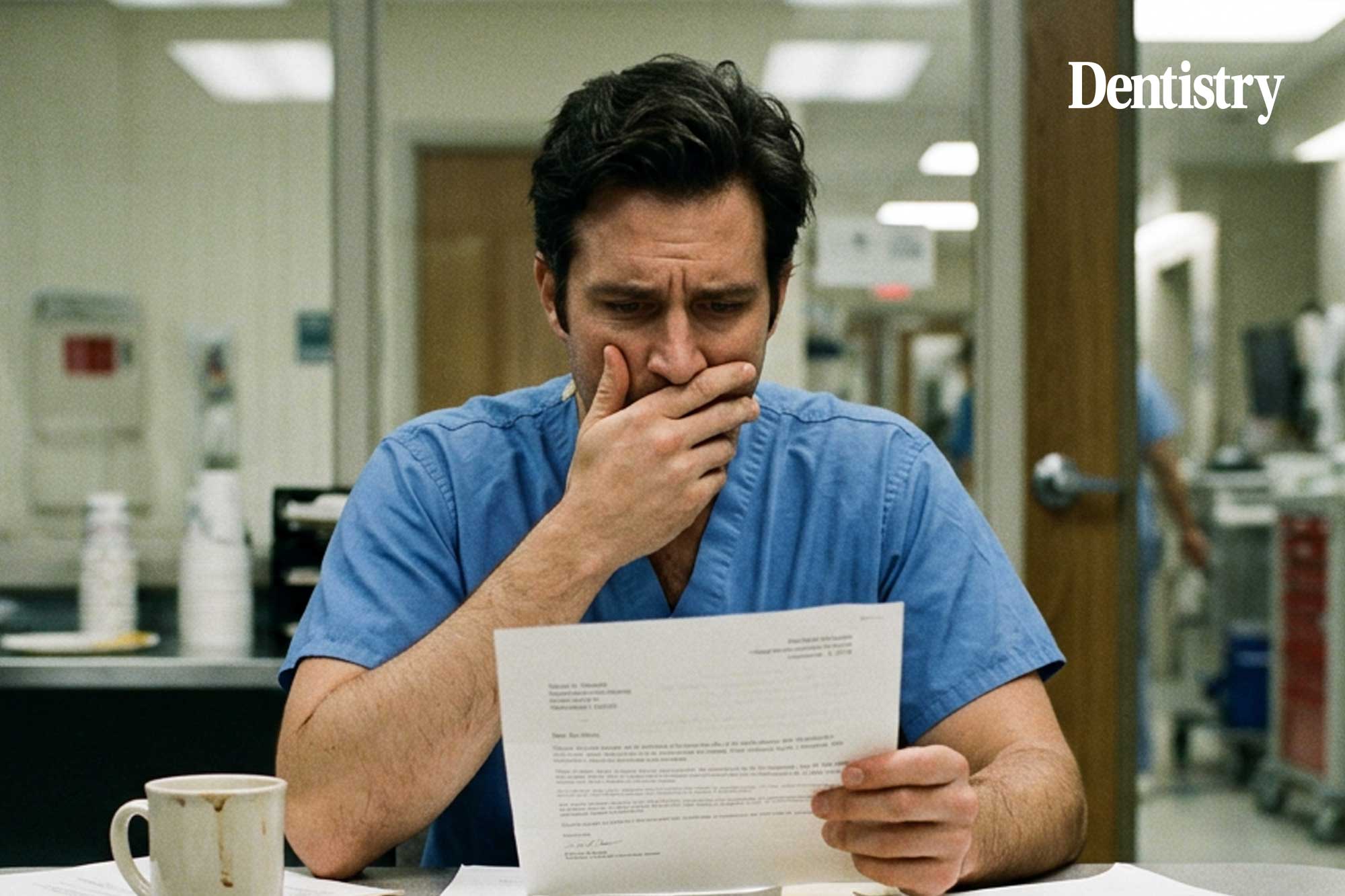
Dentists in the UK face mounting professional liability as complaints, regulatory investigations, and civil claims rise sharply. The Dental Complaints Service reported a sustained increase in enquiries and complaints in 2025. Simultaneously, many patients struggle to access NHS services and turn to private practitioners, who face greater litigation risk when patients are unhappy with paid-for treatment.
Why claims are rising in private dentistry
Patients paying for procedures are more likely to lodge claims if dissatisfied with outcomes. The number of clinical negligence claims is increasing, and some patients now use generative AI tools like ChatGPT to draft complaint letters alleging poor advice or care. This trend reflects both rising expectations among fee-paying patients and new technology that lowers the barrier to formal complaints.
The gap between discretionary and contractual indemnity cover
Not all dental indemnity arrangements are equal. Discretionary cover, where an insurer decides whether to pay a claim, leaves practitioners exposed. A prominent case illustrates the stakes: Clive Worthington, an Essex patient, won a court award of more than £100,000 in damages and costs following negligent implant treatment in 2019. His dentist held only discretionary indemnity through the Dental Defence Union, which declined to pay. Worthington took his own life in 2022, with his family identifying the lack of insurance cover as a contributing factor.
Contractual indemnity insurance, backed by capital reserves, provides certainty that claims will be met. Industry experts warn that without regulated, capital-backed indemnity providers, dentists operate in a system that fails to protect both them and their patients.
Frequently asked questions
Why are dental complaints and claims increasing in the UK?
The Dental Complaints Service reported a sustained increase in enquiries and complaints in 2025. Rising patient difficulty accessing NHS services drives them to private practitioners, who face higher litigation risk when paying patients are dissatisfied. Additionally, patients now use generative AI to draft formal complaint letters, lowering the barrier to lodging claims.
What is the difference between discretionary and contractual indemnity insurance?
Discretionary indemnity allows an insurer to decide whether to pay a claim after it is lodged, leaving practitioners exposed to denied coverage. Contractual indemnity, backed by capital reserves, guarantees that valid claims will be paid. The distinction can mean the difference between financial protection and six-figure personal liability.
What happened in the Clive Worthington case?
Worthington won a court award of more than £100,000 in damages and costs following negligent implant treatment in 2019. His dentist held only discretionary indemnity through the Dental Defence Union, which declined to pay the claim. Worthington took his own life in 2022, with his family citing the insurance failure as a contributing factor.
How are patients using AI to file complaints against dentists?
Patients now use generative AI tools such as ChatGPT to draft complaint letters alleging poor advice or care. A patient dissatisfied with a paid-for treatment can input their details into an AI tool, which generates a formal letter holding the dentist liable. This practice reflects the ease with which technology now enables complaint filing.