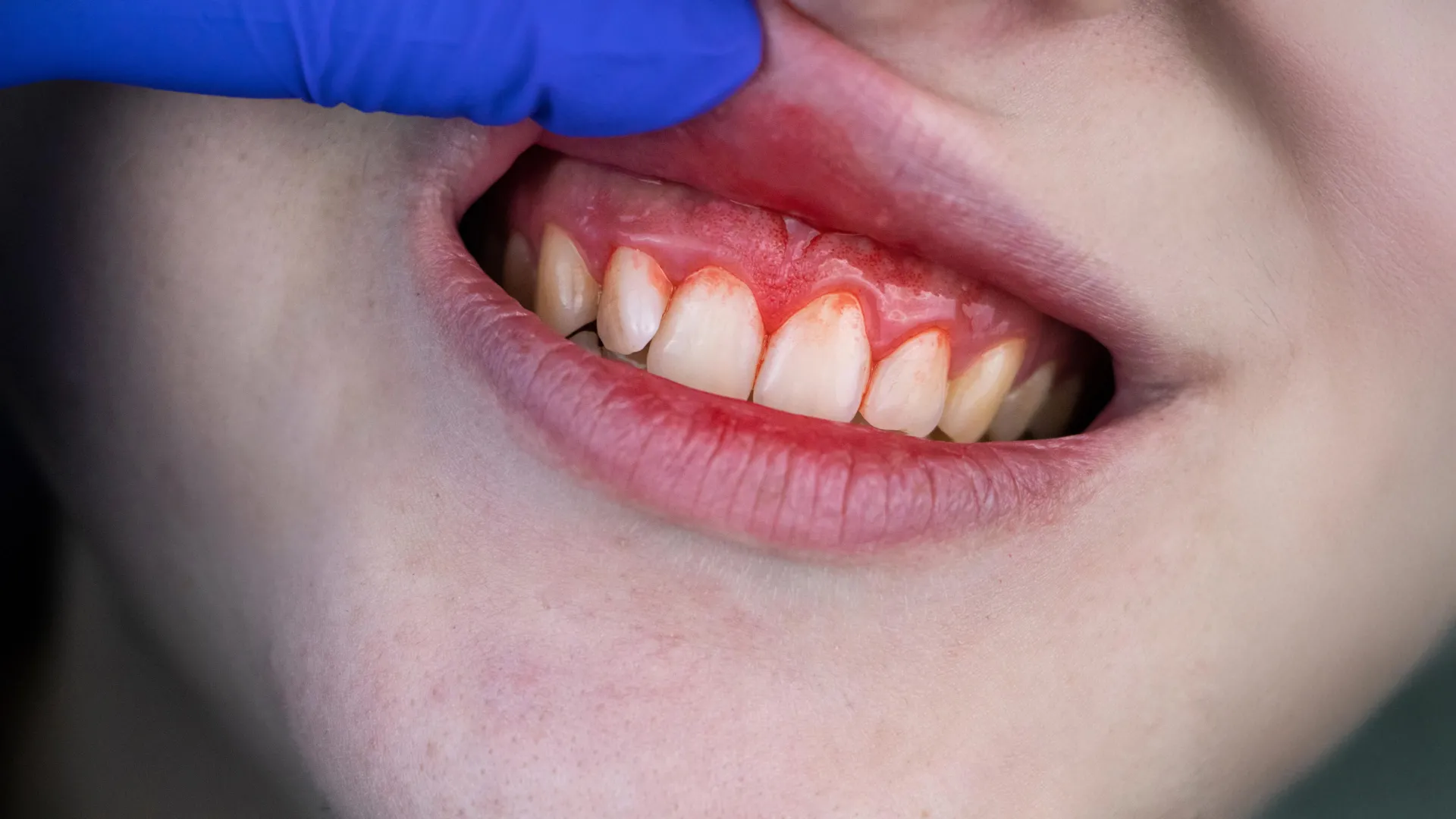
P. gingivalis Linked to Atrial Fibrillation via Cardiac Fibrosis
First study to confirm P. gingivalis in human left atrial tissue, strengthening the case for periodontal treatment as part of cardiovascular risk management.
A Hiroshima University study published in Circulation has found that Porphyromonas gingivalis, a bacterium associated with periodontitis, can travel from gum lesions through the bloodstream and reach the left atrium of the heart, where it drives fibrosis and raises the risk of atrial fibrillation (AFib). One recent meta-analysis had already linked periodontitis to a 30% higher risk of developing AFib, a condition whose global case count rose from 33.5 million in 2010 to roughly 60 million by 2019. This study is the first to demonstrate a specific microbial pathway connecting the two conditions. In a mouse model using the W83 strain of P. gingivalis, infected animals showed no difference in AFib risk at 12 weeks, but by week 18 they were six times more likely to develop abnormal heart rhythms, with a 30% AFib inducibility rate versus 5% in controls. Cardiac fibrosis in infected mice reached 21.9% at 18 weeks, compared to 16.3% in uninfected animals. In a separate human study, left atrial tissue from 68 AFib patients who underwent heart surgery also contained P. gingivalis, in higher amounts among those with severe gum disease. The researchers conclude that periodontal treatment could block the entry point for bacterial translocation to the heart, suggesting a direct role for dental care in AFib prevention.