Low Lycopene Intake Linked to Higher Severe Periodontitis Risk in Older Adults
Cross-sectional data linking lycopene deficiency to severe periodontitis in older adults, with notable racial and sex differences in risk patterns.
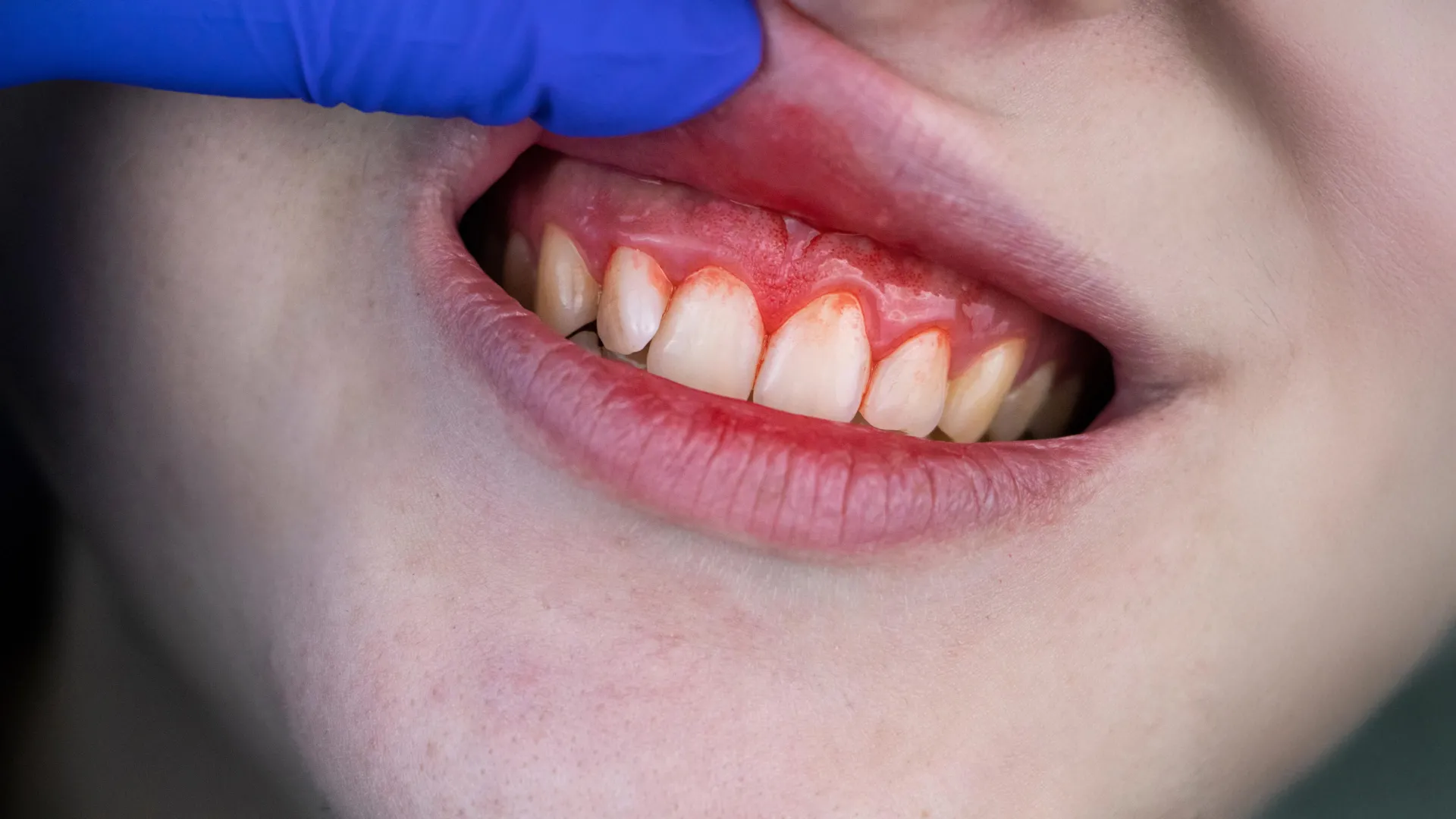
A cross-sectional study published in The Journal of Nutrition, Health and Aging found that older adults with insufficient lycopene intake face a substantially higher risk of severe periodontitis. The analysis drew on data from 1,227 participants aged 65 to 79 in the National Health and Nutrition Examination Survey (2009-2014). Nearly half the participants, 48.7%, showed signs of periodontitis, while 77.9% were not consuming enough lycopene, a carotenoid found mainly in tomatoes and other red fruits.
After adjusting for age, sex, race, smoking habits, and education level, adults who met recommended lycopene intake levels had roughly one third the odds of developing severe periodontitis compared with those who did not (odds ratio 0.33; 95% CI 0.17-0.65). The study also identified disparities by race and sex: non-Hispanic Black adults were 2.82 times more likely than non-Hispanic White adults to have severe periodontitis, and women had lower odds than men (odds ratio 0.27; 95% CI 0.14-0.55). The protective association with lycopene intake was observed among non-Hispanic White adults but not among non-Hispanic Black adults.
The authors, led by Katherine Kwong of Connecticut College, note that the cross-sectional design prevents causal conclusions. They call for longitudinal or randomised controlled trials to determine whether increasing dietary lycopene can reduce risk or slow progression of severe gum disease in older populations.
