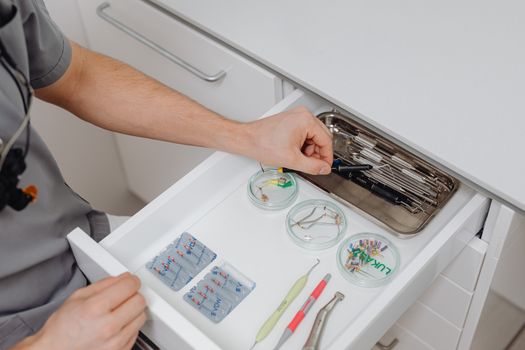
Independent dentistry shows signs of resurgence among practitioners
Practical guidance for dentists evaluating independence versus DSO affiliation and due diligence requirements.
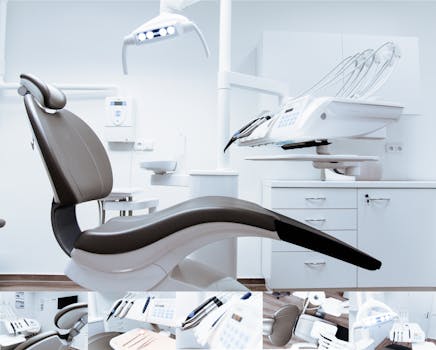
Independent dental practices are experiencing renewed interest from dentists seeking alternatives to larger dental service organisations (DSOs). Practitioners cite advantages including closer patient relationships and greater flexibility in day-to-day operations.
Why dentists choose independence
Independent practices offer dentists control over their schedules, treatment philosophies, and business decisions. Owners maintain direct relationships with patients and can tailor their practice culture without corporate oversight. This autonomy appeals to dentists who prioritise work-life balance and practice autonomy over rapid growth or external investment.
Evaluating DSO partnerships
For dentists considering DSO affiliation, thorough due diligence is essential before signing agreements. Alignment on long-term goals between the practice owner and DSO determines whether the partnership serves the dentist's interests. Key areas to assess include operational control, financial arrangements, and expectations for patient care standards.
The trend reflects broader shifts in how dentists view career satisfaction and practice ownership. Both independent and DSO-affiliated models offer distinct advantages, and the choice depends on individual priorities regarding autonomy, growth, and business management.
Frequently asked questions
What are the main advantages of running an independent dental practice?
Independent practices offer dentists greater control over daily operations, treatment philosophies, and business decisions. Owners maintain closer relationships with patients and can shape practice culture according to their values without corporate oversight.
What due diligence should dentists perform before partnering with a DSO?
Dentists should thoroughly evaluate alignment on long-term goals, operational control, financial arrangements, and patient care standards. These assessments determine whether the DSO partnership aligns with the dentist's career and business objectives.
How does practice autonomy differ between independent and DSO-affiliated practices?
Independent practices retain full control over scheduling, treatment decisions, and business management. DSO-affiliated practices benefit from corporate resources and support but operate under DSO policies and frameworks that limit day-to-day autonomy.
Why are dentists reconsidering independence instead of joining DSOs?
Dentists increasingly prioritise work-life balance and practice autonomy over rapid growth or external investment. The trend reflects dissatisfaction with loss of control and desire for more direct patient relationships in DSO environments.