Osstem Implant expands global charitable dental programmes
Shows how implant manufacturers can combine community work with clinical education to expand market presence while improving access to care.
Dental implant manufacturer Osstem Implant is scaling up its corporate social responsibility activities across multiple continents, tailoring programmes to local needs rather than applying a one-size-fits-all approach. The company aims to improve access to dental care in regions with limited dental infrastructure through community-based initiatives guided by its philosophy of growing together with customers.
Community oral health initiatives across regions
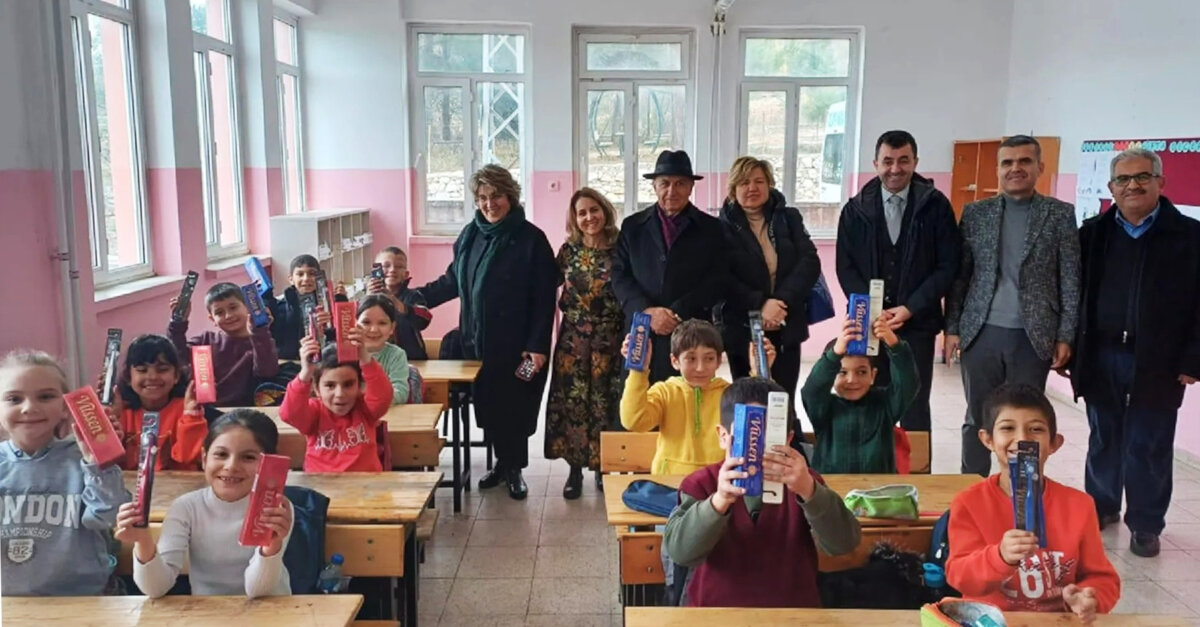
Osstem's charitable work spans diverse geographies and contexts. In Kahramanmaras, Turkey, the company partnered with local organisations to deliver oral health education in schools following the 2023 earthquake, distributing hygiene products to students. In the Philippines, the company provided free dental treatment and preventive care to approximately 1,200 patients through collaboration with local healthcare professionals. Indonesia's subsidiary conducts regular volunteer work including visits to orphanages with meal and supply donations. In Mongolia, Osstem organised an oral health campaign for police officers and their families, while similar programmes for public servants operate in Kazakhstan. In Japan, the company donated 350 sets of interdental brushes to support community oral health. In North America and Europe, Osstem continues to provide implant products for community-based treatment programmes.
Building clinical capacity through training and education
A core element of Osstem's CSR strategy focuses on enabling dentists to perform implant procedures independently rather than providing one-off material support. In 2024, the company delivered 619 sessions of its Osstem Master Course advanced clinical training programme, with approximately 60 percent held in regions with limited access to dental care. In India, Osstem offers scholarships to dental students as part of its effort to reduce disparities in access to education and clinical training. The company states these initiatives aim to improve clinical skills, reduce healthcare disparities, and support the long-term sustainability of local healthcare systems.
Frequently asked questions
What types of charitable activities does Osstem Implant conduct?
Osstem operates two main streams: community oral health initiatives including free dental treatment, hygiene product distribution, and oral health campaigns in underserved areas; and clinical education programmes through its Osstem Master Course and scholarship offerings that build local dentist capacity for implant procedures.
Where is Osstem running charitable programmes?
Osstem operates programmes across Turkey, the Philippines, Indonesia, Mongolia, Kazakhstan, Japan, North America, Europe, and India, tailoring each initiative to local socio-cultural contexts and infrastructure gaps.
How many Osstem Master Course training sessions were held in 2024?
Osstem conducted 619 sessions of its Osstem Master Course advanced clinical training programme in 2024, with approximately 60 percent of those sessions delivered in regions with limited access to dental care.
Does Osstem provide scholarships for dental students?
Yes, in India Osstem offers scholarships to dental students as part of its broader strategy to make clinical education more accessible and reduce disparities in access to training and dental care.