AI X-ray diagnosis and AI receptionists boost patient trust and revenue
Practical example of AI deployment in US practice: X-ray confirmation and 24-hour scheduling receptionists.
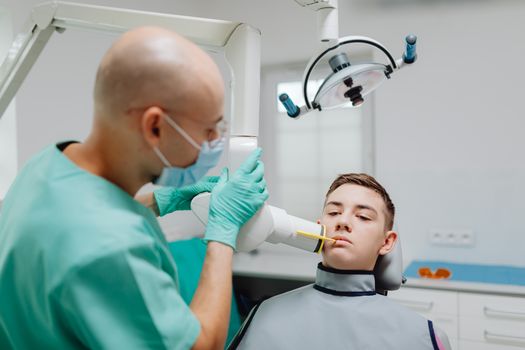
A Connecticut dental practice is using artificial intelligence to strengthen patient relationships and improve operational efficiency. Dr. Sonalika Rungta at Thompson Smiles has deployed AI for X-ray diagnosis and is exploring AI receptionists to optimize scheduling and capture revenue outside office hours.
Using AI to build patient confidence in diagnoses
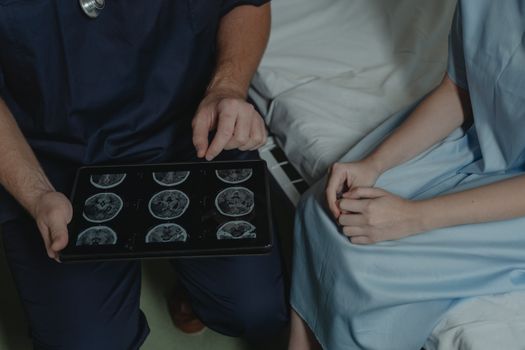
Pearl AI helps Dr. Rungta confirm X-ray findings and communicate them clearly to patients. When patients see the AI analysis alongside the dentist's assessment, treatment plan acceptance increases. The visual confirmation removes ambiguity and reinforces clinical findings, reducing patient hesitation about recommended care.
AI receptionists for 24-hour scheduling and customer service
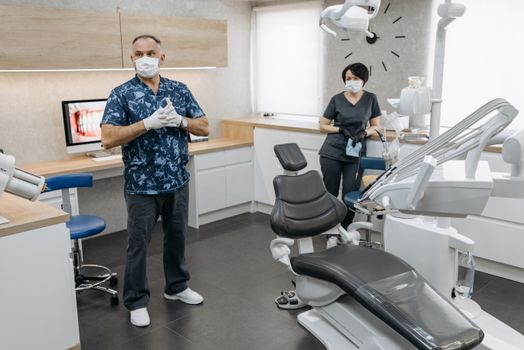
Thompson Smiles is exploring a 24-hour AI receptionist that answers calls, fills appointment slots, and improves customer service outside regular office hours. This approach prevents lost revenue from missed calls and scheduling requests when staff are unavailable. The technology handles routine front-desk tasks while maintaining continuity of patient communication.
Dr. Rungta's approach reflects a broader trend toward using AI to solve two distinct problems at once: clinical confidence and operational capacity. Both applications prioritize the patient experience, whether through clearer diagnosis communication or easier appointment access.
Frequently asked questions
How does Pearl AI help build patient trust in dental treatment plans?
Pearl AI confirms X-ray diagnoses and displays findings visually to patients, removing ambiguity about clinical findings. When patients see the AI analysis alongside the dentist's assessment, they are more likely to accept treatment recommendations.
What is an AI 24-hour dental receptionist and how does it help practices?
An AI receptionist answers phone calls, fills appointment slots, and provides customer service outside office hours. This prevents lost revenue from missed scheduling requests and allows practices to book patients when staff are unavailable.
Can AI in dentistry improve both clinical outcomes and practice revenue?
Yes. AI tools address two separate practice needs: clinical confidence through diagnosis confirmation, and operational efficiency through automated scheduling. Thompson Smiles uses both approaches simultaneously to improve patient experience and capture additional income.
What are the main barriers to AI adoption in dental practices?
The article does not address barriers to adoption. However, it notes that AI implementation must be done correctly to enhance patient experience and maintain trust, suggesting that implementation strategy matters.