AI caries detection needs gold standard to avoid overconfidence bias
Dentists using AI for caries detection should demand confidence metrics from vendors to avoid overconfidence bias in clinical decisions.

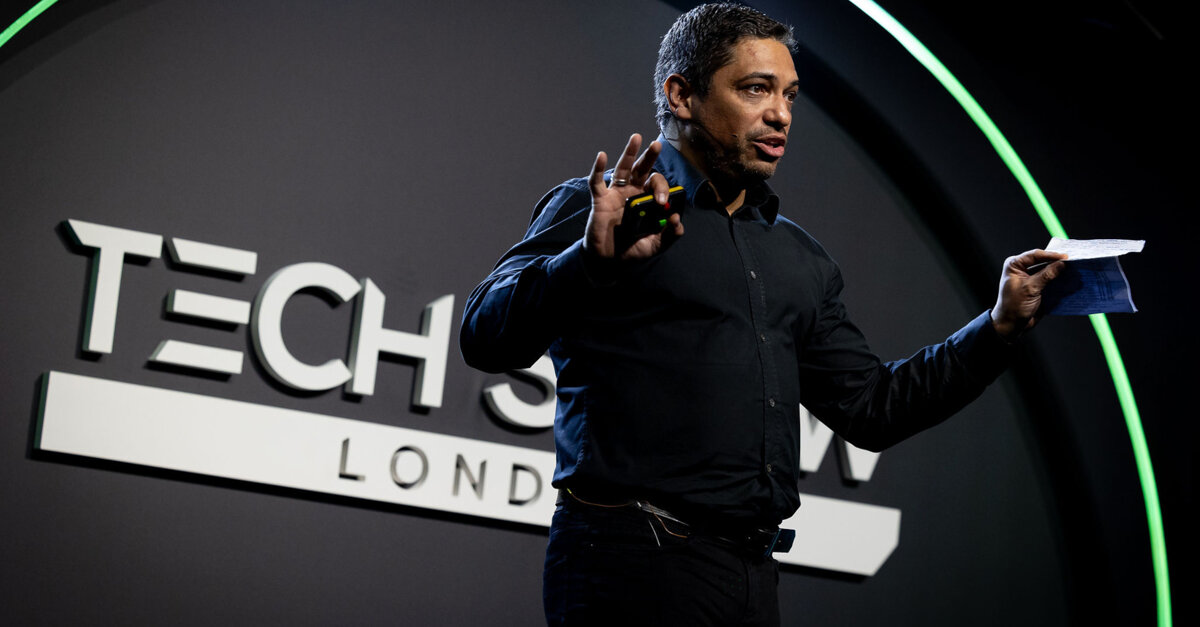
Researcher Ricardo Gonzalez Valenzuela presented findings at the Dutch Dental Science Days (19-20 March 2026) on how artificial intelligence can support caries diagnosis. His work at ACTA's Oral Radiology section reveals both opportunities and risks in deploying AI tools in dental practice.
The gold standard problem in AI training
Gonzalez's central finding is that AI models for caries detection require a gold standard to ensure reliable training data. Currently, histology and micro-CT serve as gold standards, but these methods work only in vitro. To bridge the gap between laboratory and clinical practice, Gonzalez developed hybrid AI models trained on both in-vitro and in-vivo data. Without a clear gold standard for clinical use, he cautions that practitioners must be extremely careful when interpreting AI results.
Overconfidence and diagnostic trust
A striking discovery emerged: clinicians using AI report greater confidence in their diagnoses than those working without it, regardless of accuracy. Gonzalez found that practitioners diagnosed lesions as carious with higher confidence when using AI, even when those diagnoses were incorrect, compared to correctly identifying true caries. This overconfidence bias was absent only among experienced dental radiologists. The issue stems from how AI predictions are presented: models sometimes output high uncertainty but display results as categorical answers without confidence measures.
Practical recommendations for practitioners
Gonzalez advises dentists implementing AI to verify that developers provide diagnostic profiles and confidence heatmaps alongside predictions. These tools allow practitioners to see the degree of certainty behind each diagnosis and make informed treatment decisions. For future research, Gonzalez plans to generate synthetic data using generative AI, creating controlled caries lesions to test both practitioners and AI systems under standardized conditions.
Frequently asked questions
Why does AI for caries detection need a gold standard?
AI models are trained on data that can contain errors. Without an established gold standard, it is impossible to train and validate these models reliably. Currently histology and micro-CT are gold standards, but only work in the laboratory setting, not in clinical practice.
Do dentists have more confidence in AI diagnoses even when they are wrong?
Yes. Gonzalez found that dentists using AI report greater confidence in their diagnoses than those without AI, even when the diagnosis is incorrect. This overconfidence bias did not occur among experienced dental radiologists.
What should dentists look for when choosing AI caries detection software?
Dentists should ensure that the AI tool provides confidence heatmaps and diagnostic profiles alongside its predictions. These elements allow practitioners to see the degree of certainty behind each diagnosis and make better informed treatment decisions.
How can the gap between lab-trained AI models and clinical use be closed?
Hybrid AI models trained on both in-vitro laboratory data and in-vivo clinical patient data can bridge this gap. This approach helps models perform more reliably when deployed in actual dental practice.