Vibration-activated ceramic powder whitens teeth and repairs enamel in lab tests
Early lab data suggest a non-peroxide whitening mechanism that repairs enamel: relevant for advising patients on whitening safety.
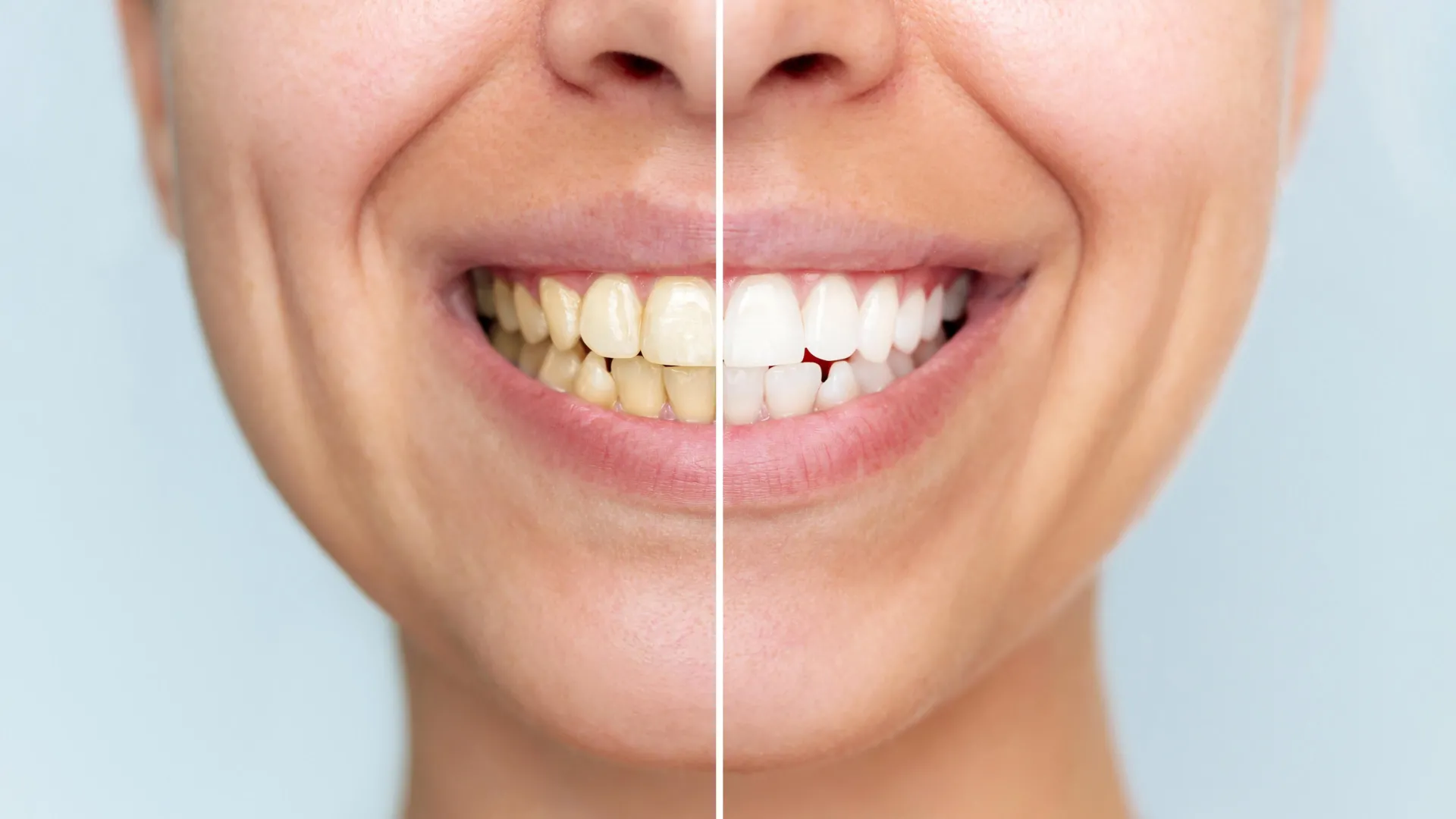
Researchers have published a study in ACS Nano describing an experimental tooth powder that generates reactive oxygen species only when activated by the vibrations of an electric toothbrush. The compound, called BSCT, is a ceramic made by combining strontium and calcium ions with barium titanate. Unlike peroxide-based whitening products, which can weaken enamel, BSCT is designed to deposit minerals back onto tooth surfaces while it whitens.
In laboratory experiments, human teeth stained with tea and coffee were brushed with BSCT for four hours, producing noticeable whitening. After 12 hours, the treated teeth were nearly 50% whiter than teeth brushed with saline solution. The powder also deposited strontium, calcium, and barium onto damaged enamel and dentin, rebuilding tooth structure.
Animal tests in rats fed high-sugar diets showed additional benefits. Brushing for one minute per day over four weeks reduced levels of Porphyromonas gingivalis and Staphylococcus aureus and lowered oral inflammation. The powder has not yet been formulated into a commercial toothpaste. The research team, led by first author Min Xing, describes the approach as a potential at-home strategy that combines whitening, enamel repair, and microbiome support. For clinicians advising patients on whitening options, the study represents early but specific evidence that piezoelectric activation may avoid the enamel damage associated with conventional peroxide treatments.