University of Nottingham gel regenerates tooth enamel without fluoride
A fluoride-free gel that rebuilds enamel structure through epitaxial mineralization, with a commercial product expected in 2026.
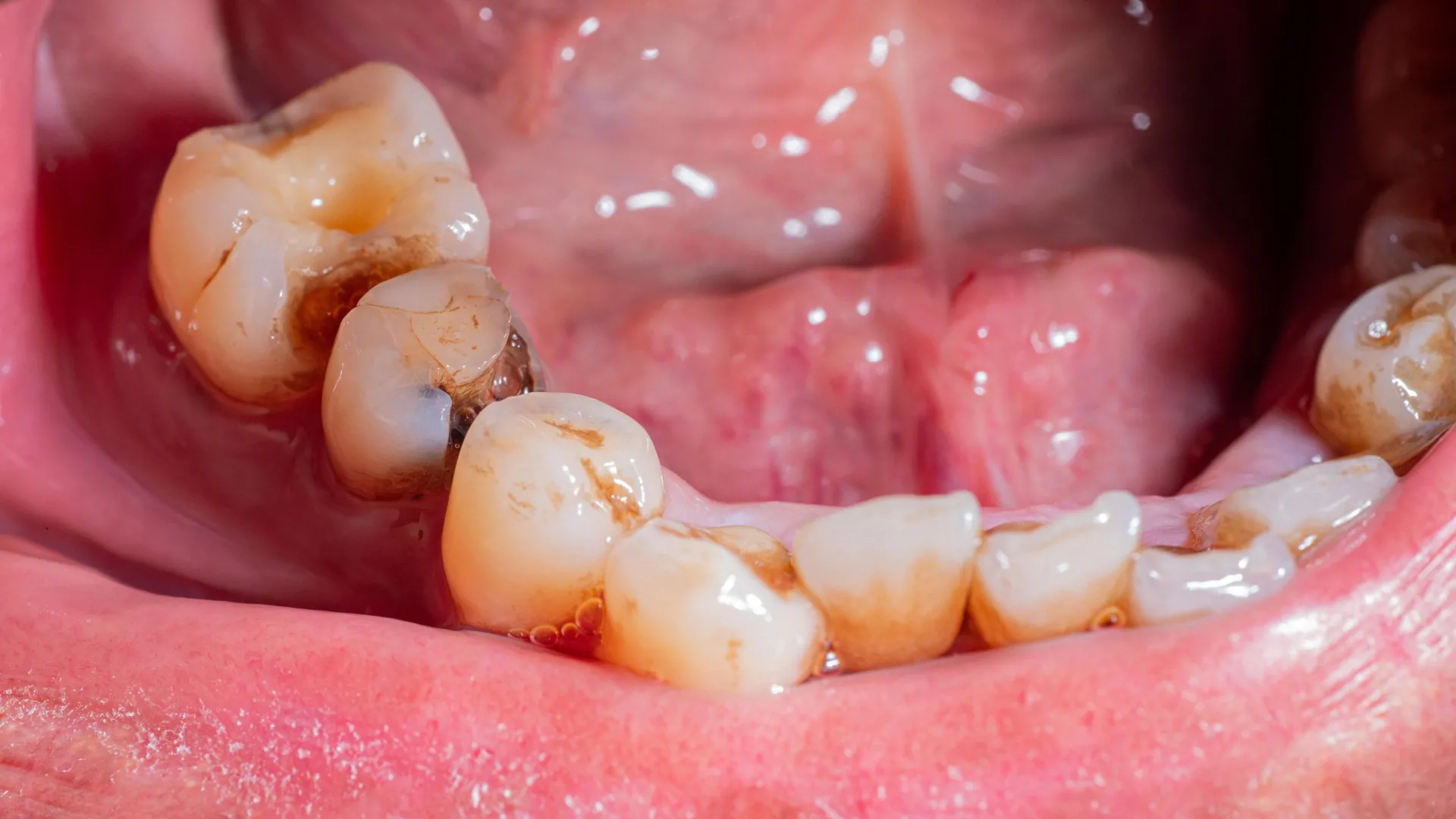
Researchers at the University of Nottingham have developed a protein-based gel that can repair and regrow tooth enamel, with findings published on November 4, 2025 in Nature Communications. Enamel cannot regenerate naturally once lost, and existing treatments such as fluoride varnishes relieve symptoms without rebuilding enamel structure. Tooth decay affects nearly half the global population, and enamel loss increases vulnerability to cavities, infection, and tooth loss, conditions also linked to diabetes and cardiovascular disease. The bioinspired gel contains no fluoride. Instead, it uses proteins that mimic those responsible for guiding enamel formation in early life. When applied, it forms a thin layer that penetrates the tooth surface, then captures calcium and phosphate ions from saliva and organises them into new enamel through epitaxial mineralization. Testing under conditions simulating brushing, chewing, and acid exposure showed the regenerated enamel performed like healthy natural enamel. The material also works on exposed dentine, reducing sensitivity and improving how restorations bond to the tooth surface. The research team's start-up company, Mintech-Bio, is developing commercial products and aims to release a first product in 2026.