Resilin protein coating blocks bacterial adhesion on implants in lab tests
Early-stage research on a mechanical antibacterial coating relevant to dental implant infection prevention, including antibiotic-resistant strains.
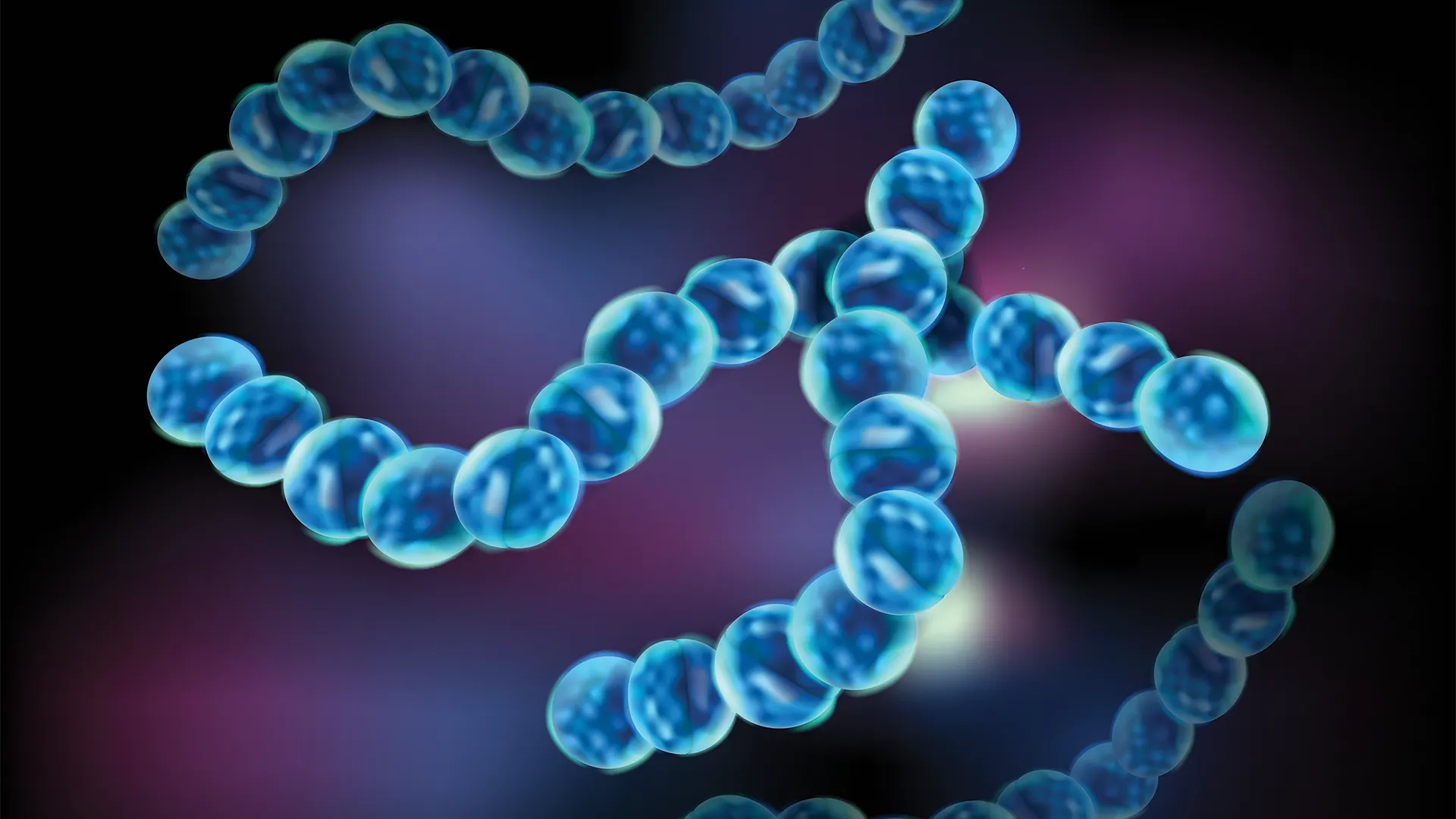
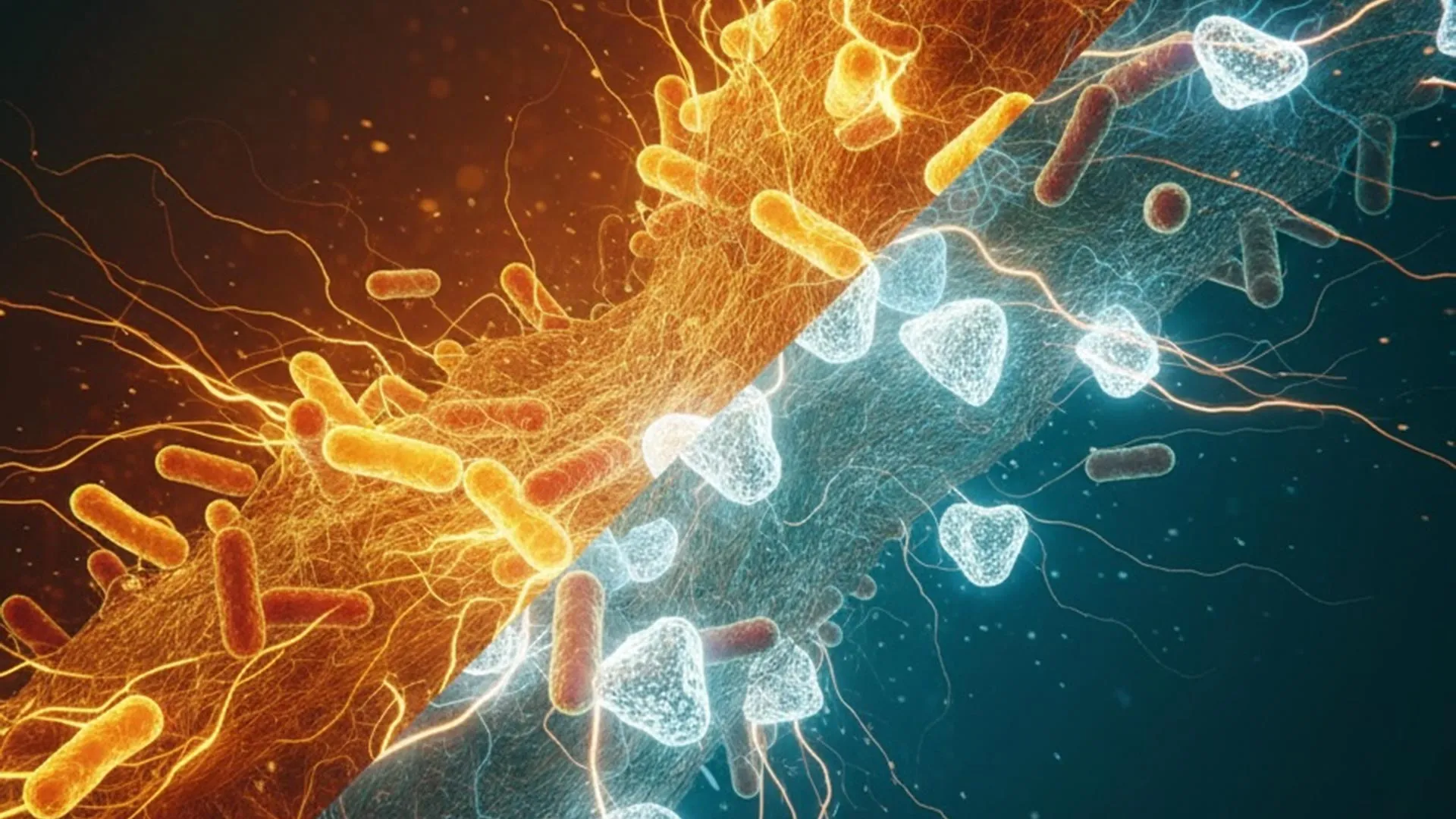
Researchers at RMIT University in Australia have developed an antibacterial surface coating based on resilin, an elastic protein found in insects, and demonstrated 100% effectiveness at preventing bacteria from attaching to surfaces in laboratory conditions. The study, published in Advances in Colloid and Interface Science in 2025, is the first reported use of resilin-mimetic protein coatings as a fully blocking antibacterial layer. Bacterial colonisation of implants is a persistent problem even with existing sterilisation protocols, and antibiotic-resistant strains such as MRSA make treatment of these infections increasingly difficult. The coating works by forming nano-droplets, known as coacervates, that disrupt bacterial cell membranes through electrostatic forces, causing cellular leakage and cell death, while remaining compatible with healthy human tissue. Because the disruption is mechanical rather than chemical, bacteria are less likely to develop resistance compared to antibiotic-based approaches. The researchers tested the coating against E. coli and human skin cells. Potential applications include spray coatings for surgical tools, dental and medical implants, catheters, and wound dressings. Further work is needed to test the coating against a broader range of bacteria, confirm stability and scalability, and conduct safety and efficacy trials before clinical use becomes possible.