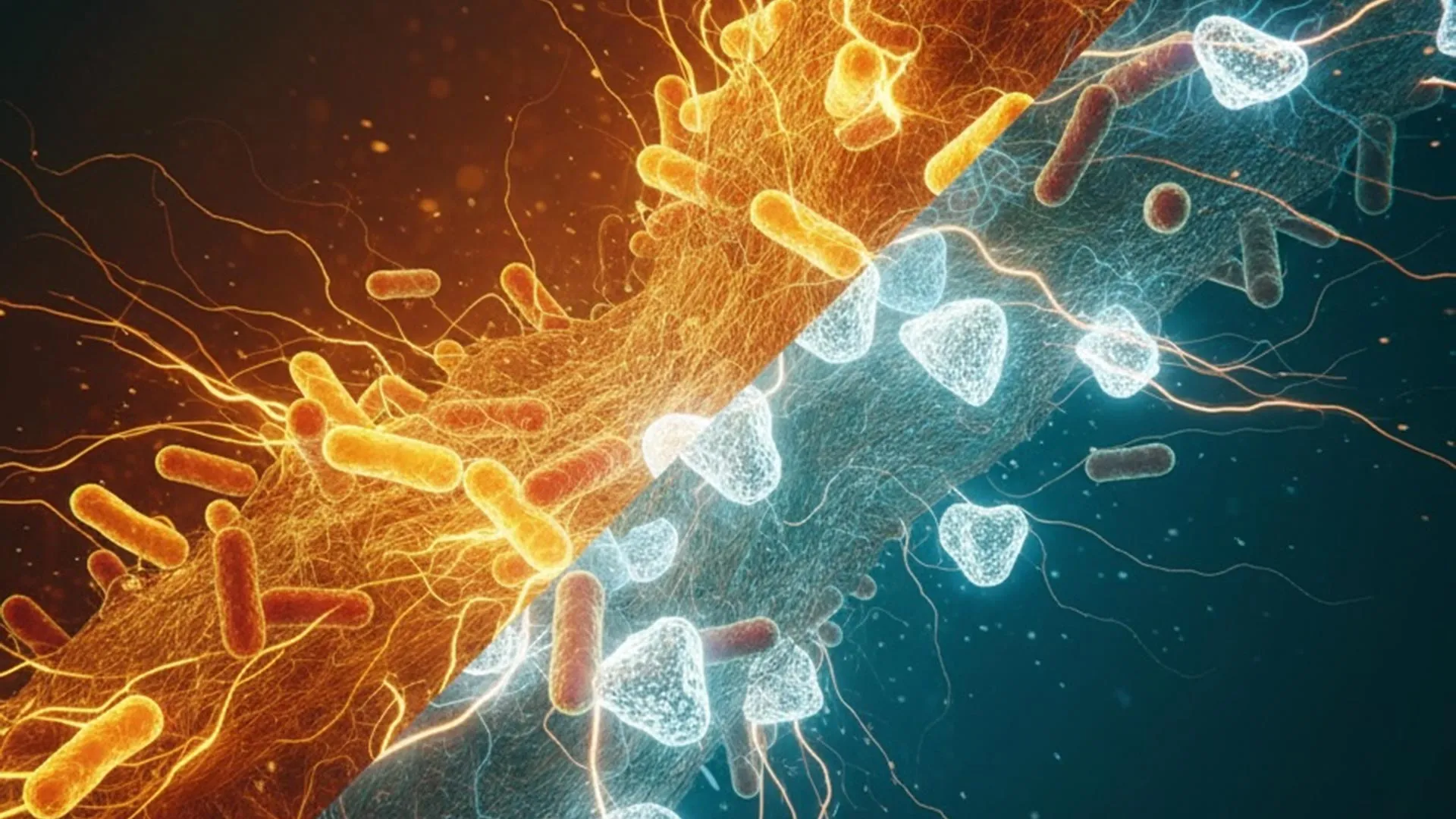
Morin-based powder shows antimicrobial activity against periodontal bacteria
Early-stage research on a polymer-encapsulated morin powder as an adjunct to nonsurgical periodontal treatment, positioned as an alternative to antibiotics.
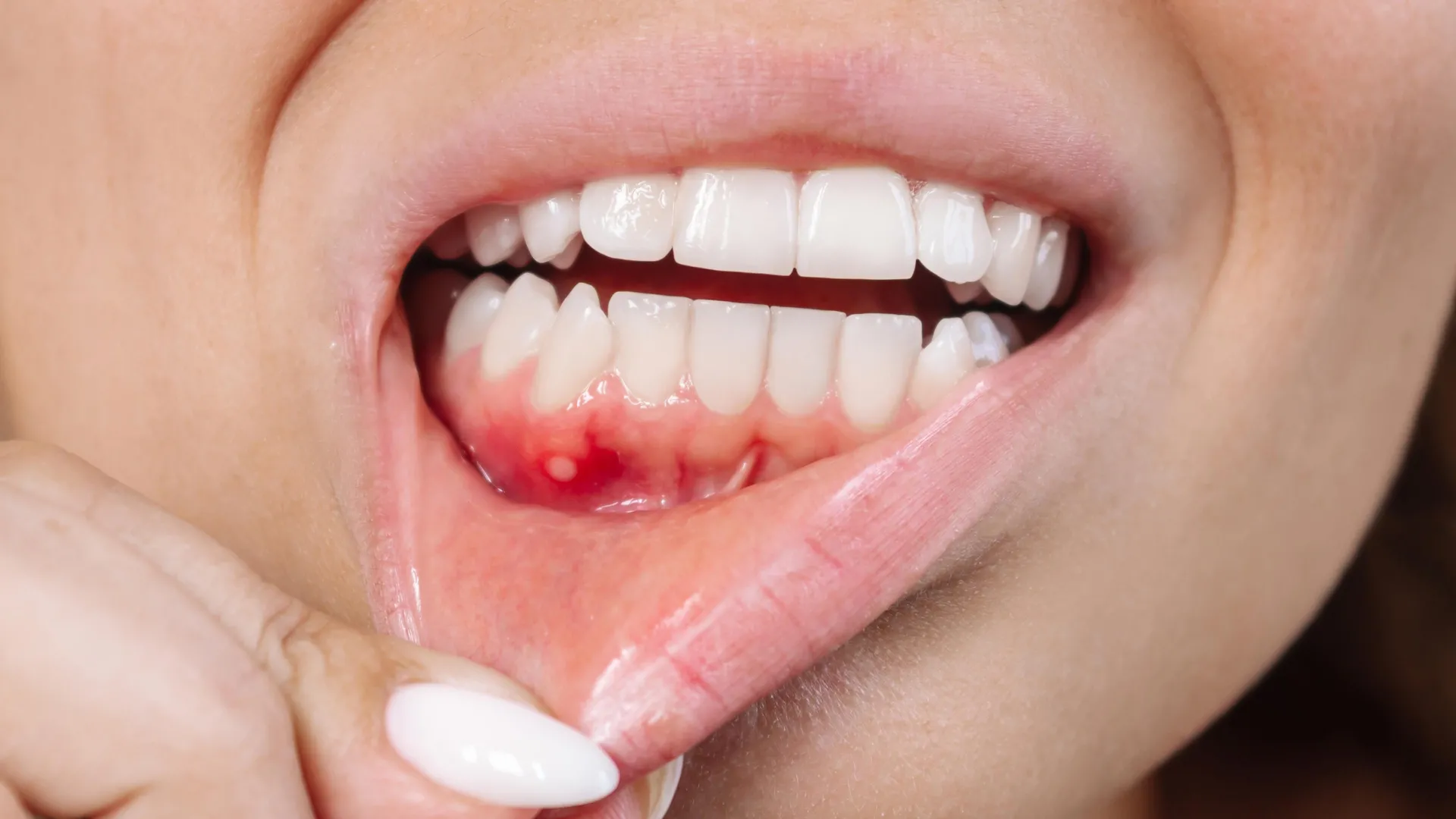
Researchers at the Araraquara School of Dentistry at São Paulo State University (FOAr-UNESP) have developed a polymer-encapsulated powder based on morin, a flavonoid found in guava leaves, apple peel, figs, certain teas, and almonds, that shows antimicrobial, anti-inflammatory, and antioxidant effects against periodontal disease bacteria. The findings were published in Archives of Oral Biology in 2025. In vitro tests exposed a multispecies biofilm simulating periodontal conditions to morin and produced measurable antimicrobial results. Because natural compounds like morin dissolve poorly in water and are quickly cleared by saliva, the team used sodium alginate and gellan gum to encapsulate the compound, producing a fine powder via spray drying. This controlled-release format is intended as an adjunct to nonsurgical periodontal treatment and a possible alternative to antibiotics. The researchers note that existing products such as chlorhexidine have reported side effects including taste changes, increased tartar buildup, and tooth staining. Morin's polymer system may avoid these drawbacks. The format could also benefit patients with reduced motor skills, such as older adults or those with special needs, who struggle with conventional oral hygiene. The team plans to proceed to animal model testing followed by clinical studies. Periodontitis is currently ranked the sixth most common chronic condition worldwide, and according to WHO 2022 data, approximately 3.5 billion people suffer from oral diseases.