Dental floss used to deliver flu vaccine via gingival sulcus in mice
The gingival sulcus is now a candidate vaccine delivery route: dentists may be asked about this technique by patients following media coverage.
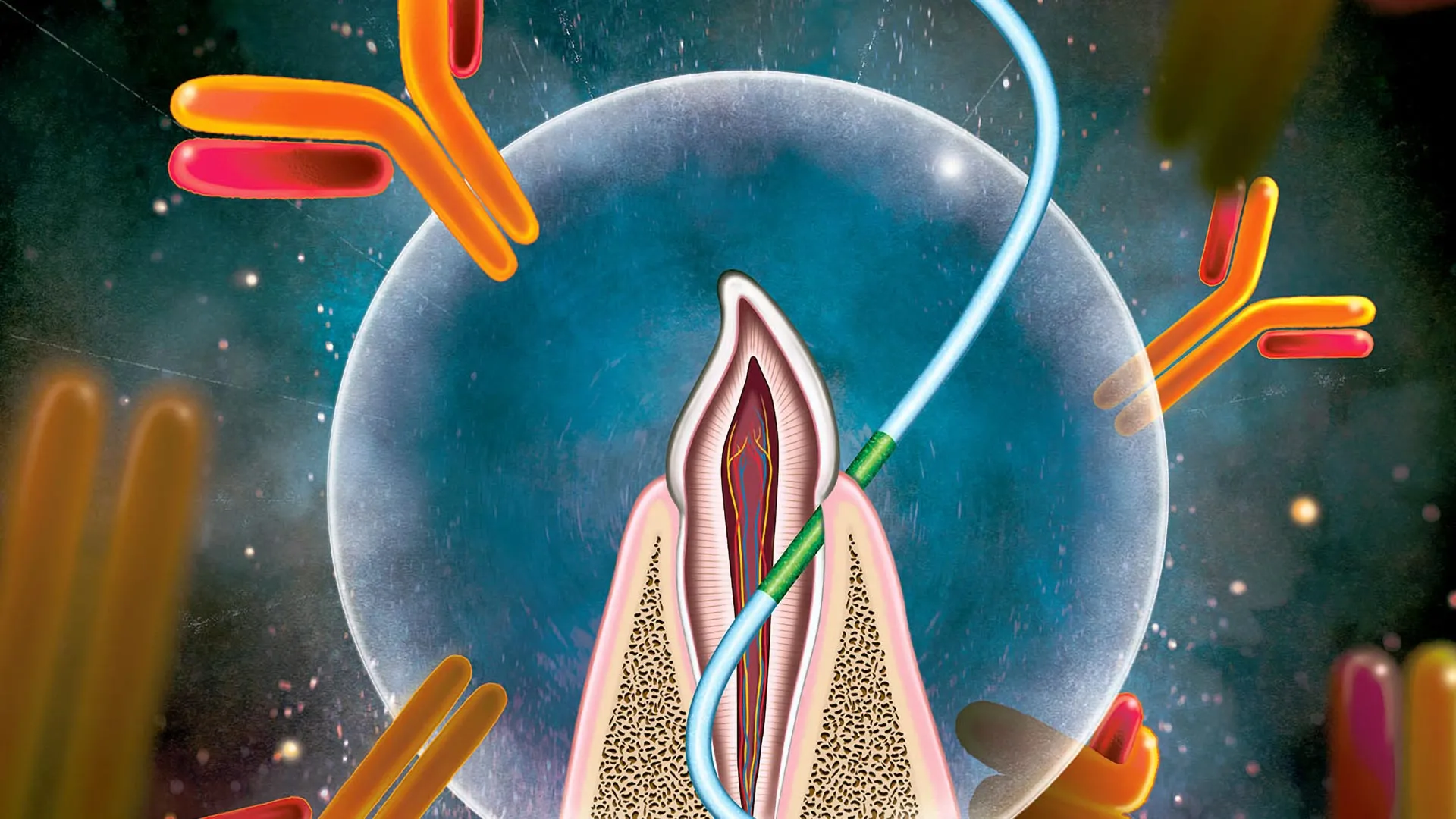
Researchers at North Carolina State University have published a study in Nature Biomedical Engineering showing that vaccine can be delivered through the junctional epithelium, the thin permeable tissue at the base of the pocket between tooth and gum, by coating dental floss with vaccine and flossing the teeth of lab mice. The junctional epithelium lacks the barrier properties found in most other epithelial tissues, making it unusually accessible for vaccine uptake into the mucosal immune system. Because mucosal surfaces such as the nasal and lung linings are entry points for pathogens including influenza and COVID, stimulating antibody production at those sites offers an additional line of defense that injection-based vaccines do not reliably provide. In mouse models, floss-based delivery of a peptide flu vaccine produced a stronger mucosal antibody response than sublingual delivery, which is currently the gold standard for oral vaccination, and comparable protection to nasal delivery. The technique also worked with protein, inactivated virus, and mRNA vaccine formulations. A separate experiment with 27 human participants using floss picks coated in fluorescent food dye found that approximately 60% of the dye was deposited in the gingival sulcus, suggesting practical feasibility. Limitations include inapplicability in patients without teeth and uncertainty about performance in those with gum disease. The researchers say clinical trials may follow depending on further findings.
